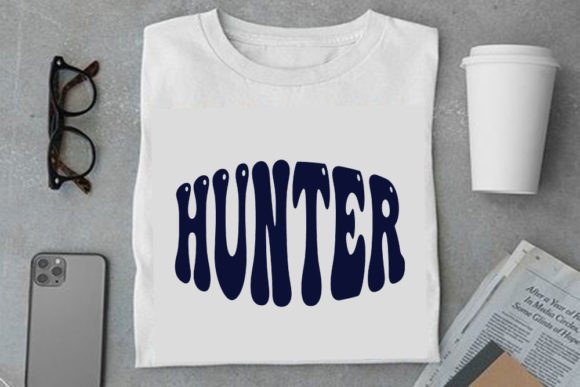
A Retro Hunting Graphic Built for T-Shirt Designs
The First Impression: Nostalgia with a Sharp Edge
When you first open the files for Retro Hunting Design, Hunter, the immediate feeling is one of curated nostalgia. This isn’t a generic clipart piece; it carries the weight and texture of a specific era. The graphic asset evokes a sense of rugged authenticity, a mood perfect for projects that need to feel established, trustworthy, and a bit adventurous. It naturally fits clients in the handmade business space, boutique outdoor brands, or any small business branding looking to connect with a community that values tradition and craft.
Finding Its Place in Real Client Projects
Imagine you’re developing a visual concept for a local microbrewery launching a seasonal “Hunters Ale,” or an Etsy shop specializing in handcrafted leather goods. Retro Hunting Design, Hunter becomes more than just a graphic; it’s a foundational design asset. It can anchor a campaign. As a logo design or a key element in brand identity, it provides instant character. For product labels and packaging design, it offers a detailed, credible focal point. In marketing visuals like posters or flyers for a community event, it sets a strong, thematic tone.
Its versatility shines across formats. As a t-shirt design or on merchandise like mugs and tote bags, it reads clearly and carries visual interest. For digital needs—website graphics, blog visuals, or Instagram posts—the provided high-resolution PNG ensures crispness. The included SVG and EPS files mean you can adapt it for editorial design or scale it infinitely for large format digital ads or Pinterest pins without quality loss. It’s a ready-made hero graphic for Canva templates or a precise cut file for Cricut projects creating stickers or printable wall art.
Where This Hunting Graphic Works Best
This design asset excels when given space and purpose. Use it boldly in large layout areas, as a primary product mockup graphic, or as a decorative accent in a themed collection of campaign visuals. It’s ideal for packaging details where a touch of vintage flair enhances perceived value. It works wonderfully as a stand-alone social media graphic or a supporting brand element on a clean background, building visual trust and emotional appeal with its detailed, classic style.
Points for Practical, Careful Application
Professional use requires a designer’s eye for context. While detailed, the asset should be used carefully at very small sizes, as some intricate elements may become indistinct. Avoid placing it on crowded layouts or complex backgrounds where its readability and impact would diminish. It may clash with minimalist branding aiming for ultra-clean visual hierarchy. It’s also not suited for professional corporate materials requiring a more neutral, modern design aesthetic. The key is understanding its role: it’s a statement piece, not a subtle footnote.
The Designer’s Checklist Before Commercial Use
Before committing Retro Hunting Design, Hunter to a client’s commercial design project, run it through a standard battery of tests. First, test it in black and white to ensure its forms hold up without color. Check contrast by placing it on both light and dark backgrounds. Preview it at the extremes: very small (like on a tag) and very large (like on a banner) to identify any scaling issues. Place it on real mockups—a t-shirt, a mug, a website header—to see how it interacts with other elements.
Review the file formats thoroughly. The PNG at 300 dpi is excellent for print-on-demand applications. Inspect the PNG transparency for clean edges if overlaying on photos. The SVG and EPS vector files are crucial for editability; open them to confirm you can adjust colors or separate elements if needed for logo design or custom packaging design. Compare the graphic with different font styles—a sturdy serif for tradition, a clean sans serif for balance, a script for softness—to see how it affects overall typographic hierarchy and professionalism.
Finally, and most importantly, confirm the commercial licensing terms. Using a digital product like this for a client’s business project requires clear, legal permission. Only once these practical boxes are checked can you confidently integrate this retro hunting illustration into your workflow, knowing it will improve the polish and recognition of the final design.
Beyond the Graphic: Impact on the Overall Design
Integrating Retro Hunting Design, Hunter into a project isn’t just about adding an image; it’s about steering the entire visual mood. It affects brand consistency by providing a strong, stylistic anchor. Its detailed, classic nature boosts emotional appeal and audience engagement for audiences drawn to authenticity. When used appropriately, it elevates the overall impression of a design project from generic to bespoke, lending a layer of perceived history and craft that resonates deeply. For designers serving small business branding, creative marketplaces, and digital sellers, assets with this specific character are invaluable. They provide a ready-made depth that can be difficult to create from scratch, allowing you to focus on building a cohesive, compelling visual story around it.
In essence, this graphic design asset is a tool. Its value lies in its application. For the right client project—one rooted in heritage, outdoor culture, or handmade quality—Retro Hunting Design, Hunter can be the element that transforms a concept into a convincing, polished reality.