Evaluating the Easy Peasy Lemon Squeezy Sublimation PNG
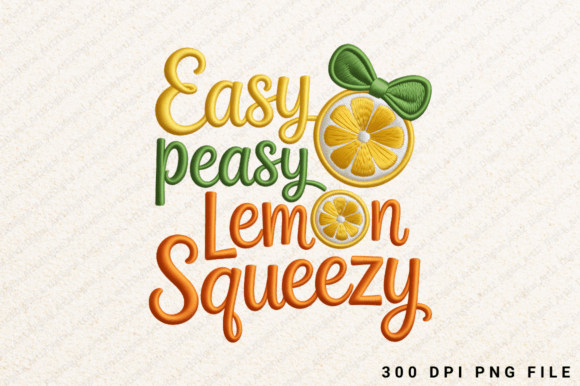
When I first opened the Easy Peasy Lemon Squeezy Sublimation PNG, my immediate reaction was a smile. The design has that warm, vintage-inspired charm that feels both nostalgic and currently trendy. It's not overly fussy; the layout is clean, the lemon graphic is playful without being childish, and the lettering has a casual, handwritten quality. This visual personality creates a mood of relaxed, sunny optimism—perfect for projects aimed at adding a little cheer.
The Kind of Project This Design Calls For
This isn't a design that screams for a formal application. Instead, it whispers suggestions for cozy, personal, or giftable items. I immediately pictured it on a well-loved kitchen towel, a soft baby bib, or the front of a cotton tote bag used for market runs. Its vibe is inherently handmade and friendly. For small business owners or Etsy sellers, that’s a valuable asset. A customer browsing for a personalized gift or boutique merchandise isn’t looking for cold, corporate graphics; they’re looking for this kind of warmth and personality.
In a real-life scenario, imagine preparing a custom order for a client who wants a unique birthday gift for a friend who loves gardening or baking. An embroidered apron or a set of pillow covers with this design would feel thoughtful and specific. The “Easy Peasy Lemon Squeezy” phrase is universally relatable, turning a simple kitchen towel or cap into a conversational piece. That’s the kind of engagement that turns a one-time buyer into a repeat customer.
How It Translates into Real Embroidery Work
The promise here is a high-quality chenille patch embroidery look. In practical terms, that means the design should translate into embroidery with good definition and a textured, classic feel. For machine embroidery, this suggests areas of satin stitch for the lettering and likely a fill stitch for the lemon graphic, aiming for that slightly raised, vintage patch appearance.
On standard projects like sweatshirts, tote bags, or tea towels—fabrics with a stable, medium texture—this design should perform beautifully. The clear shapes and lack of extremely tiny detail mean it will stitch out with clarity, maintaining its visual appeal. This stitching clarity directly impacts the perceived value of the finished product. A crisp, well-defined embroidery design on a handmade item builds customer trust; it looks professional and cared-for.
Where a Designer Should Proceed with Caution
While the design is friendly, its successful execution depends on thoughtful application. The lettering, with its casual style, needs careful attention on small hoop sizes or very textured fabrics. Stitching it onto a thin, stretchy t-shirt without the correct stabilizer could result in puckering or loss of detail. Similarly, embroidering it onto a curved surface like a cap requires testing to ensure the lemon graphic and text layout don’t distort.
Dark fabric backgrounds are another consideration. The vintage-inspired look often relies on a contrast of lighter, creamy thread colors. If you’re planning to put this on a dark garment, you’ll need to test thread color choices thoroughly—maybe opting for a brighter yellow or white to ensure the design pops and retains its cheerful mood. Dense stitch areas, if present, on layered garments like hoodies could feel overly stiff, so checking stitch density beforehand is wise.
Beyond the Stitch: Impact on Your Craft Business
For creative entrepreneurs, a design like this is more than just an embroidery file; it’s a design asset that can shape your brand’s presentation. Its giftability is high, making it excellent for holiday gift lines or wedding gift personalization. Using it consistently across a range of products—say, on aprons, kitchen towels, and nursery decor pillows—can create a recognizable collection for your small shop, enhancing brand consistency.
For digital product sellers offering printable mockups or using the design in digital previews, its clean and trendy look can help attract buyers looking for that specific aesthetic. However, the key for any commercial embroidery project is always to confirm the licensing terms for the digital file itself before selling finished items. Does it allow for commercial use? That fundamental check protects your business.
Practical Notes From the Embroidery Hoop
Before committing this design to a client’s order or your craft fair inventory, here’s my standard practice advice. Always test it on scrap fabric first, ideally a piece similar to your final product fabric. This reveals how the thread colors interact with your material and checks the actual stitchout for any surprises in small details.
- Review the design in both black-and-white and color mockups to judge its form separately from its color.
- Compare how it looks conceptually on both light and dark background images.
- Confirm the hoop size needed; a design meant for a patch-like feel might require a specific minimum size to keep all elements clear.
- Use the proper stabilizer for your fabric choice—this is non-negotiable for preserving that high-quality look.
- Finally, inspect the finished test piece. Does it have the handmade presentation you want? Would you be proud to sell it or give it as a gift? That’s the ultimate test.
The Easy Peasy Lemon Squeezy Sublimation PNG, from a designer’s point of view, is a versatile and mood-boosting graphics asset. It naturally fits into a niche of personalized, cheerful products. By handling its translation into physical embroidery with practical care—mindful of fabric, hooping, and licensing—you can turn this digital design into a finished product that genuinely brings a sunny, vintage-inspired look to life, just as it promises.