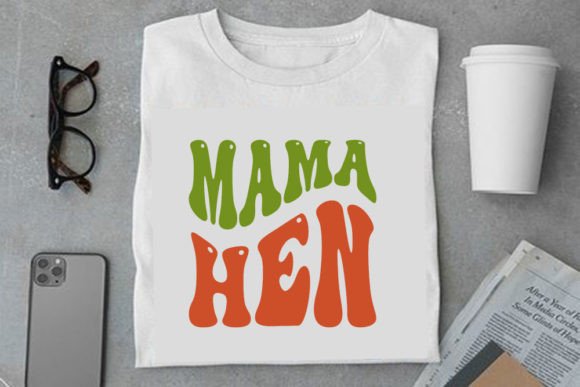
Mama Hen: A Charmingly Retro Embroidery Design
Every so often, a design file crosses my desk that immediately sparks a vision for the finished, stitched product. The Retro Farm House Design, Mama Hen did exactly that. This isn’t just another graphic; it’s a ready-made personality for your next embroidery project. Let’s talk about why, from the perspective of someone who needs to translate a digital file into a tangible, sellable, or giftable item.
The Warm, Welcoming First Impression
First things first: this design feels friendly. The stylized hen, with its simple, rounded shapes and that classic farmhouse aesthetic, evokes a sense of cozy nostalgia. It’s not overly detailed or fussy, which is a huge plus for embroidery. The layout is balanced and clear, meaning it won’t get lost on a garment or product. This visual personality is perfect for projects aiming for a handmade, heartwarming look rather than a sleek, corporate one. I immediately thought of it on a child’s item, a kitchen towel, or a welcoming tote bag for a farmer’s market regular.
Where Mama Hen Shines in Real Projects
In practical use, this design’s strength is its adaptability. Because of its clean shapes and moderate detail level, it performs well across a range of real-life embroidery situations. I’ve mentally mapped it onto several projects already.
For custom apparel, like a cotton t-shirt or a cozy sweatshirt, it would stitch out with clear definition. On a tote bag, it becomes a charming, reusable statement. For baby clothes or nursery decor, like a pillow cover, the gentle theme fits perfectly. As an embroidered patch, it could be applied to a cap or apron with great results. Think also of holiday gifts—a tea towel for a gardening friend, or a blanket for a new baby. For small business merchandise at a craft fair or in an Etsy shop, this design adds a consistent, recognizable touch to your brand if your vibe is rustic, homey, or family-oriented.
The inclusion of multiple file formats—SVG, PNG, EPS, DXF—as noted in the product details, means you’re not locked into one method. This flexibility is crucial for craft businesses and digital product sellers who might use it for printable mockups or as part of a broader design asset collection.
Considerations for Stitching Success
While versatile, any design requires thoughtful application. Here’s where I’d advise a bit of caution with Mama Hen to ensure the final product looks its best.
The design likely has some denser areas, like the body of the hen. On very thin or stretchy fabric, like a fine t-shirt, proper stabilizer is non-negotiable to prevent puckering. On dark fabric, you’ll need to carefully plan thread color contrast so those friendly details don’t vanish. Embroidering on curved surfaces like caps requires extra attention to hooping and possibly adjusting stitch density for comfort.
If there are any tiny decorative accents or lettering within the design (though the description focuses on the hen graphic), those would need a small hoop size and a slow, precise run to maintain clarity. Always, always test the design on scrap fabric first. Use the same fabric and stabilizer you plan for the final project. This tells you everything about how the embroidery file will behave in reality.
A Practical Scenario: The Boutique Kitchen Towel
Let’s walk through a specific idea. Imagine you’re creating a line of boutique kitchen towels for your handmade shop. You choose a sturdy, natural-colored linen. You hoop it well, using a mid-weight cutaway stabilizer. You run the Retro Farm House Design, Mama Hen in a palette of warm reds and soft creams. The satin stitches outlining the hen pop, the fill stitches inside are smooth, and the overall effect is perfectly homespun. A customer isn’t just buying a towel; they’re buying that charming, retro feeling. That’s where the design’s value transforms from digital to tangible—it elevates the product value and the handmade presentation.
How This Design Impacts Your Craft and Business
Using a design like this effectively goes beyond the stitch. It affects how your work is perceived. A well-executed, appealing design on a product builds customer trust and engagement. It makes an item more giftable. For a creative entrepreneur, it can become a signature element that aids brand consistency across your sweatshirts, tote bags, and baby items.
For commercial embroidery projects or selling the finished products, the provided file formats suggest good compatibility, but the crucial step is to confirm licensing before selling. Always verify the terms for the specific design to ensure your craft business is operating on solid ground.
Essential Designer Notes Before You Hoop
My final bits of practical advice before you commit this to a project:
- Test on both light and dark fabric backgrounds if you plan to use both. This reveals contrast needs.
- Check how it looks in a simple black-and-white mockup; this helps assess the strength of the shapes without color.
- Consider the fabric texture. A rougher fabric like canvas might handle denser stitches differently than smooth cotton.
- If creating for products that need frequent washing, like apparel, ensure your thread choices and stabilizer method are durable.
- Remember, this is categorized as T-Shirt Designs and Graphics, which speaks to its core use, but your imagination—and testing—will define its best final home.
The Retro Farm House Design, Mama Hen has that special quality: it feels ready to be stitched, to become part of something real. With a thoughtful approach to fabric, thread, and application, it can turn your next embroidery project, whether for a personalized gift or for your shop shelf, into something truly charming.