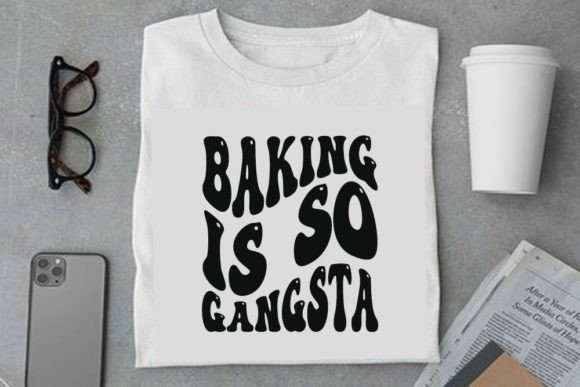
Retro Potholder Design, Baking is so Gangsta: A Graphics Review for T-Shirt Designs
The first impression of the Retro Potholder Design, Baking is so Gangsta graphic design asset is immediate and warm. It doesn’t feel like a generic clipart piece; it feels like a character. The playful, illustrative style immediately conjures a specific mood: nostalgic, approachable, and infused with a wink of modern humor. This isn't just a potholder. It's a statement piece, a visual hook that can anchor a whole brand identity for a client looking to project handmade authenticity with a dash of cheeky confidence.
Mood and Fit: Where This Retro Illustration Finds Its Home
This design asset naturally gravitates toward clients and projects rooted in craft, food, and community. Imagine a small business baking blog, an Etsy shop for handmade kitchen goods, a local bakery’s seasonal campaign, or a boutique food product line. The style blends retro comfort with contemporary slang, making it perfect for audiences that value both tradition and personality. It wouldn't fit a sterile corporate manual, but for a product label on artisan cookie boxes or a poster for a neighborhood bake sale, it’s a goldmine. It supports a visual direction that wants to feel polished but not slick, professional but not impersonal.
Performance in Real-World Design Scenarios
In practical application, this SVG design shows its strengths. For T-shirt designs and merchandise like mugs or tote bags, its bold, contained illustration works beautifully—it’s a ready-made focal point. In packaging design, as a label accent or a primary illustration for a smaller product, it adds immediate charm. For social media graphics, especially Instagram posts or Pinterest pins aiming for a “handmade business” vibe, it serves as a perfect, reusable hero graphic. Within a Canva template or as part of a blog visual, it can break up text-heavy layouts with personality.
Where This Design Asset Works Best
Its strengths lie in areas where its character can shine without competition. Use it boldly in large layout areas: as a central graphic on a poster or flyer, as a sublimation design across a full apron, or as a large decorative accent on website graphics. It excels in themed collections—think a series of kitchen-themed printables or a campaign visual for a “baking month” promotion. It’s ideal for product mockups where you need to showcase the applied design quickly, and for supporting brand elements like stickers or invitation details for a food-themed event.
Considerations for Careful Application
A designer must be judicious, however. At very small sizes, the intricate linework of the potholder and the text details may become muddled, losing readability. Avoid crowded layouts where its distinct shape gets lost. Placing it on complex or low-contrast backgrounds will dilute its impact. While it brings enormous emotional appeal, it’s not suited for minimalist branding projects or professional corporate materials requiring a very clean, neutral visual hierarchy. The style is inherently decorative.
The Impact on Brand Perception and Audience Engagement
Integrating this design asset into a client project directly affects visual trust and recognition. For a target audience valuing creativity and authenticity, it signals a brand that is fun and self-aware, boosting engagement. It adds a layer of professionalism by providing a cohesive, high-quality illustration rather than a pieced-together graphic. However, consistency is key. Using it as a sporadic accent without a complementary typeface or color palette could feel disjointed. It demands supporting elements that match its retro-playful tone.
Practical Designer Notes Before Client Use
Before committing this to a real client project, run it through the standard checks. First, test it in black and white to ensure the core shapes hold up without color dependency. Check contrast by placing it on both light and dark backgrounds—the PNG with transparency is crucial here. Preview it at the actual sizes you’ll use, especially if it’s destined for a small product label or a detailed Cricut project. Always place it on real mockups to judge context.
The provided file formats—SVG, EPS, DXF, PNG—are a significant advantage for commercial design. The vector files allow for resizing and editing, essential for adapting the asset across packaging design, marketing visuals, and web design. The high-resolution PNG ensures crisp print quality for printable designs or editorial design use. Crucially, confirm the commercial licensing terms. For a client’s brand identity, logo design, or digital ads, you need unambiguous permission for commercial use.
Final Thoughts on a Useful Creative Asset
The Retro Potholder Design, Baking is so Gangsta graphic is more than a digital product; it’s a stylistic shortcut. For a designer crafting a visual concept for a small business branding project in the food or craft space, it offers a ready-made centerpiece with strong emotional appeal. It can elevate a simple t-shirt design into a statement piece and turn basic social media graphics into engaging campaign visuals. Its utility across print-on-demand, stickers, and digital ads makes it a versatile investment. Used with an understanding of its strengths and careful attention to hierarchy and context, it can help a final design feel cohesive, polished, and unmistakably memorable.