A Designer's Review of the Juneteenth Freedom Embroidered Design
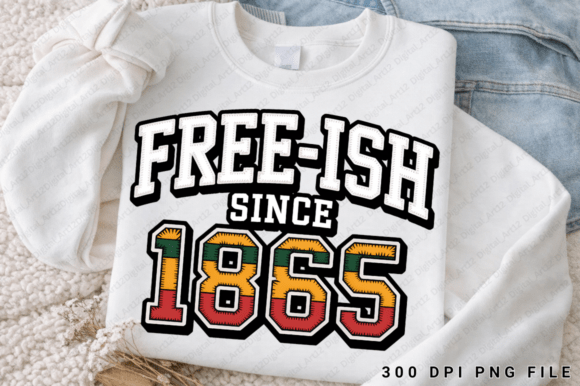
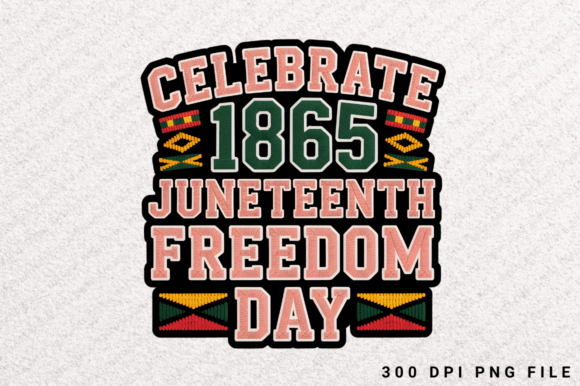
As a designer who uses embroidery files for both client work and my own product line, the first thing I look for is a design's visual personality. The Celebrate 1865 Juneteenth Freedom PNG immediately strikes a balance between celebration and reverence. The layout feels grounded, with the year 1865 acting as a central, historical anchor. This isn't a loud, flashy graphic; it’s a statement piece. The vintage-inspired look mentioned in the description translates, in my mind, to a design that would benefit from classic embroidery techniques—clean satin stitches for the lettering and thoughtful fill stitches for the decorative elements. It creates a mood of dignified pride, which is exactly what you want for a commemorative item.
Where This Design Finds Its Home
My immediate thought was of a custom embroidered tote bag. It’s a practical, everyday item that becomes a meaningful carrier of history. The design’s size and composition, assuming it’s scaled appropriately, would sit beautifully on a bag’s front panel, creating a product that’s both useful and conversation-starting. But its applications are wonderfully broad.
For custom apparel, like a well-made sweatshirt or a crisp t-shirt, this embroidery file could become a centerpiece. It feels suited for garments meant for gathering and community wear. I also pictured it on a premium cotton apron—a powerful symbol for a home cook or a community event caterer. As a standalone embroidered patch, it offers immense flexibility; it could be applied to caps, jackets, or even blankets and nursery decor as a heritage piece. For small business merchandise or Etsy listings, especially around the Juneteenth holiday, this design provides a ready-made, respectful asset that aligns with a brand valuing cultural significance.
The Practicalities of Stitching It Out
When evaluating any machine embroidery design for real project use, you have to think past the preview image. Here’s how I’d approach this one. First, always test on scrap fabric first. This is non-negotiable. You need to see how the stitch density behaves, especially on the fabric you intend to use. For a design with potentially small lettering like "Celebrate" and "Freedom," clarity is paramount. You must check thread color contrast. On light fabrics, a rich, dark palette would be striking. On dark fabric, you’d need to plan for lighter threads or potentially consider a reverse applique approach if the design supports it, but that’s a technique to explore after confirming the file details.
Given the theme, many will want to stitch this on cotton, canvas, or fleece for personalized gifts or craft business items. On textured fabrics or stretchy fabric, your choice of stabilizer becomes critical to prevent puckering and maintain the design’s integrity. For surfaces like caps, you’d need to confirm the design’s size fits the curved hoop size without distorting the important details.
Where to Exercise a Bit of Caution
While the Celebrate 1865 Juneteenth Freedom PNG seems versatile, a professional always identifies potential friction points. If the design has very detailed corners or tiny lettering, I’d be cautious about stitching it very small. Reduction can muddy the message and impact stitching clarity. On thin fabric intended for items like lightweight tees, the overall stitch count and density need to be suitable to avoid overwhelming the material. For products destined for frequent washing, like kitchen towels or baby clothes, a robust stitch structure is needed, so testing for durability is key.
Also, consider the end product’s context. This design carries significant meaning. Using it on holiday gifts or wedding gifts for a couple honoring their heritage is beautiful. Using it as generic boutique branding without understanding its weight would be inappropriate. Its value is tied to respectful application.
How This Design Elevates Your Finished Product
From a business and craft perspective, a well-executed embroidery of this design adds tangible value. It boosts customer trust by showing you offer thoughtful, well-made items. The handmade presentation of crisp embroidery on a tote or sweatshirt feels premium compared to a printed graphic. It enhances giftability and recognition—the recipient understands the care invested.
For digital product sellers offering the file itself, providing clear printable mockups showing it on various products (bags, apparel, pillows) helps buyers visualize its potential, increasing buyer engagement. For the apparel decorator or creative entrepreneur, this design can become a staple in your offering for Juneteenth, helping build brand consistency around culturally aware products.
A Few Final Designer Notes Before You Hoop It
My process before committing any design to a client project or my shop inventory involves a few final checks. With the Celebrate 1865 Juneteenth Freedom PNG, I would strongly advise:
- Test it in black and white mockups to see how the layout holds up without color, ensuring the composition is strong.
- Directly compare light and dark fabric backgrounds in your test stitches to plan your thread inventories.
- If you intend to sell the finished product or use it in commercial embroidery projects, you must confirm licensing before proceeding. The product is listed under T-Shirt Designs and Graphics, but the license for physical product sales needs to be clear.
- Remember that as a digital embroidery file, its performance depends on your machine and setup. Assume nothing; test everything.
In essence, this design isn’t just a graphic; it’s a potential heirloom, a statement for your community, and a meaningful addition to your creative catalog. Handle it with the technical care of a seasoned embroiderer and the respectful intention of a mindful maker. When stitched well on the right product, it won’t just look good—it will feel important.