A Designer's Take on the Retro Cat Embroidery File
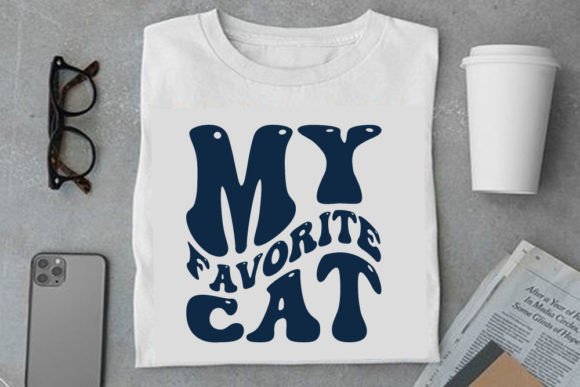
As someone who spends more time with embroidery machines than coffee machines, I look at a design first as a potential project, not just a digital image. Today, I’m thinking through Retro Cat Design, My Favorite Cat from that exact perspective. How would this graphics file translate into stitches on fabric? What kind of mood does it carry? And where would it shine—or possibly struggle—in a real-world embroidery situation?
The First Impression: A Vintage Charm for Modern Makers
The moment you open this file, its personality is clear. It has that rounded, simplified vintage aesthetic that feels warm and nostalgic. It’s not a hyper-detailed, realistic cat portrait; it’s a stylized character. This is a huge advantage for embroidery. Simplified shapes often translate beautifully into stitches, with clean outlines and areas that can be filled without becoming overly dense. The mood is friendly, playful, and slightly whimsical—it doesn’t feel aggressive or overly trendy. It has a timeless quality that I think would resonate with a wide range of customers, from those looking for a quirky personal gift to small shop owners wanting a consistent, charming brand element.
Where This Design Would Naturally Thrive
Let’s paint a real scenario. Imagine you’re preparing a batch of custom tote bags for a local boutique or a craft fair. You want something that feels handmade and special, but also has universal appeal. Retro Cat Design, My Favorite Cat immediately comes to mind. Its friendly, retro vibe would look excellent embroidered on a natural canvas tote bag. The design’s likely moderate detail level means it wouldn’t require a massive hoop size, keeping production efficient. Similarly, think about a cozy, heavyweight sweatshirt. This cat’s rounded forms would stitch out smoothly on fleece, creating a focal point that’s cute without being childish.
Beyond apparel, this is a prime candidate for home decor embroidery projects. A simple pillow cover in a linen blend would be elevated by this design as a centerpiece. For baby items, like a gently embroidered blanket or a nursery wall hanging, its soft, vintage style is perfect—it’s sweet without being cloying. As an embroidered patch, it would hold its own, with shapes clear enough to be recognizable even when applied to a curved surface like a cap. For Etsy sellers and creative entrepreneurs, this file is a versatile design asset. It could be the centerpiece for a line of kitchen towels, aprons, or holiday gifts, providing a cohesive look across different handmade products.
A Note on Smaller-Scale Projects and Fabric Choices
While the design seems adaptable, its success on very small items depends entirely on the actual detail level in the files. If there are tiny internal elements or extremely thin lines, scaling it down for a baby bib or a small embroidered patch might cause those details to get lost in the stitch translation. Always test on scrap fabric first. Similarly, fabric texture plays a role. On a very textured fabric like a waffle-knit blanket, the simpler shapes of this retro cat would likely fare better than a highly detailed design, where stitches could get lost in the weave.
Potential Pitfalls and Practical Designer Checks
No design is universally perfect, and a good review means thinking through where caution is needed. With a vintage-styled graphic like this, the main considerations often revolve around stitch density and contrast.
First, dark fabric backgrounds. If the design uses a lot of open space or lighter fill stitches, embroidering it on a black sweatshirt might require careful thread color selection to ensure it pops. A high-contrast thread palette is key here. Second, stretchy fabric like a standard t-shirt. The success here hinges on using the correct stabilizer to prevent distortion, especially if the design has larger filled areas. Always hoop properly and consider a test run on a similar fabric scrap.
For products destined for frequent washing—like a tea towel or a child’s item—the longevity of the embroidery will depend on your stitch choices and thread quality. Dense satin stitch borders might hold up better than very fine running stitches. This is another reason to stitch a sample first and even give it a rough wash test to see how it behaves.
How This File Impacts Your Project's Value
From a business and presentation angle, using a well-executed design like Retro Cat Design, My Favorite Cat does more than just decorate a product. It enhances perceived value. A clean, charming embroidery job on a tote bag makes it feel like a boutique handmade product, not a generic mass-market item. For small business owners, this consistency in design quality builds customer trust and aids in brand consistency. It’s also inherently giftable—that nostalgic, friendly vibe makes it suitable for personalized gifts without needing to know the recipient’s ultra-specific tastes.
In your digital product previews or printable mockups for an online shop, a strong, clear graphic like this helps buyers visualize the finished item instantly, boosting engagement. It looks professional. However, a crucial final step for any commercial embroidery use is to confirm the licensing terms of the file. The product description mentions multiple file formats suitable for cutting machines, but always verify the license allows for the sale of the finished product you intend to create.
Your Pre-Stitch Checklist
Before you load this embroidery file and start your project, here’s a quick, practical run-down from my own workflow:
- Test on Scrap: Always embroider the design on a piece of scrap fabric that matches your final project’s material and color.
- Check Contrast: Look at your thread choices on both light and dark backgrounds. Does the design remain clear and legible?
- Review Density: Observe the stitch output. Are any areas overly dense, which could cause fabric puckering, or too sparse?
- Confirm Hoop Size: Based on your test, choose the smallest hoop that comfortably fits the design for stability, but also consider the final product’s size.
- Inspect Details: Zoom in on the stitched sample. Are any tiny details or corners stitching cleanly? This is vital for curved surfaces like caps.
- Stabilizer Strategy: Match your stabilizer to the fabric—cutaway for stretchy knits, tear-away for stable cottons, etc.
Retro Cat Design, My Favorite Cat presents itself as a versatile, mood-driven graphic with a lot of potential for makers. Its retro charm is its biggest asset, guiding it naturally towards projects where warmth and personality are the goal. By approaching it with a practical designer’s mindset—testing, adapting, and matching it to the right fabric and product—you can transform this digital file into a standout piece of custom apparel, a beloved personalized gift, or a successful line in your craft business. The final judgment, as always, comes from the stitches themselves.