A Designer’s Take on Retro 4th July Embroidery
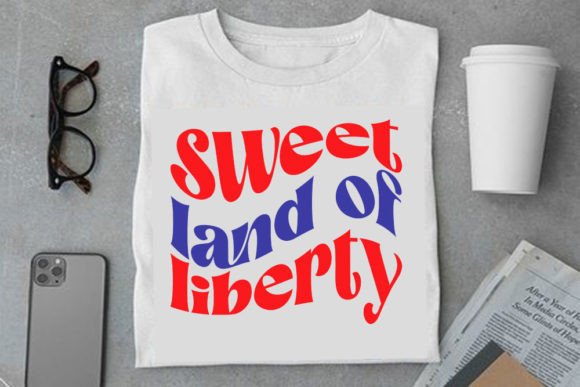
When I look at a new embroidery design, especially one tied to a holiday like Independence Day, my first question isn’t just about the file formats—it’s about its soul. The Retro 4th July Design, Sweet Land of, immediately strikes a chord. It’s not a loud, aggressive patriotic blast; it’s a warm, nostalgic whisper. That’s a powerful mood to capture.
The Right Kind of Nostalgia for Stitched Products
The retro styling here feels curated, not randomly vintage. The layout and implied detail level suggest a design that will translate beautifully into thread. It has a personality that’s celebratory yet gentle, which opens up a lot of doors beyond the standard t-shirt. I picture it on a cozy, washed-cotton sweatshirt for a backyard BBQ, or as a charming accent on a linen apron for a holiday baking gift. The “sweet land of liberty” sentiment adds a layer of heartfelt warmth, making it perfect for personalized gifts or boutique products meant to feel special, not just branded.
Where This Design Finds Its Home
In real-life embroidery situations, this design’s charm is its versatility. For custom apparel, think of soft jersey knit t-shirts or heavyweight crewneck sweatshirts where the retro vibe complements the fabric’s texture. It would be a standout feature on a canvas tote bag, lending a handmade, craft-fair-ready appeal. For holiday gifts, consider baby clothes like a little onesie or a nursery blanket—the design’s sweetness aligns perfectly. As an embroidered patch, it could adorn a cap or be applied to a pillow cover for seasonal decor.
The inclusion of SVG, PNG, EPS, and DXF files, as noted, means it’s ready for digital product sellers to create printable mockups for their shops, and for makers using cutting machines for applique preparations. This flexibility is key for craft businesses operating across different techniques.
Caution Zones: Where to Hoop Carefully
Every design has its ideal canvas and its less-friendly territories. For the Retro 4th July Design, Sweet Land of, the areas needing attention are typical for designs with presumably smaller lettering and decorative accents.
On small hoop sizes, the clarity of the sentiment and any fine lines could become compromised if stitch density is too high. Textured fabrics like terry cloth or loosely woven linen might obscure the cleaner lines of the retro shapes. Stretchy fabric requires impeccable stabilizer choice to prevent distortion, especially on curved surfaces like caps.
If the design has dense stitch areas, dark fabric background will demand perfect thread color contrast to maintain visual appeal. And for products destined for frequent washing, like kitchen towels or baby items, testing the stitch integrity on scrap fabric first is non-negotiable to ensure longevity and customer trust.
The Practical Impact on Your Business
Using a design like this isn’t just about making a product; it’s about crafting an experience. Its visual appeal, when stitched well, elevates the perceived value of a handmade product. The nostalgic professionalism it conveys can strengthen brand consistency for a small shop specializing in retro or Americana themes. Its inherent giftability means it can drive buyer engagement in Etsy listings or at craft fairs—people connect with the feeling it evokes.
Embroidery Designer Notes Before You Stitch
Before I’d run this embroidery file for a client project, my checklist is practical and straightforward.
- Always test on scrap fabric of the same type and color as your final product. This reveals how stitch density interacts with your material.
- Check thread color contrast rigorously. View the design in black and white mockups to judge value contrast, then compare on both light and dark fabric backgrounds you intend to use.
- Inspect the small details in the provided files. Zoom in. Are there tiny corners or lettering that might need slight adjustment for your specific hoop size?
- Use the proper stabilizer. This is the unsung hero of stitching clarity, especially for designs meant for custom apparel.
- Crucially, confirm the licensing terms for this digital embroidery file before selling finished items. The product is listed under T-Shirt Designs and Graphics, but the specific license for commercial use must be verified by you.
Remember, a design’s success in a real embroidery project hinges on these preparatory steps. They turn a beautiful digital asset into a flawless finished product.
A Real Scenario: The Embroidered Tote Bag Gift
Let’s walk through a natural scenario. I’m preparing a custom embroidered tote bag as a 4th July gift for a boutique’s loyal customers. I choose a natural, sturdy canvas. The Retro 4th July Design, Sweet Land of, feels ideal—it’s celebratory but not overly casual, matching the boutique’s aesthetic.
My concern? Canvas has a pronounced texture. I’ll test a satin stitch versus a fill stitch for the main elements on a scrap to see which maintains clarity. The lettering needs to be legible without being overly dense, which could stiffen the bag. I’ll likely opt for a slightly larger hoop than minimum to preserve detail. After stitching, the result should be a product that feels thoughtfully handmade, enhancing the boutique’s relationship with its customers. That’s the true power of a well-chosen, well-executed design.
In the end, the Retro 4th July Design, Sweet Land of, offers a foundation for creating products with emotional resonance and craft integrity. Its retro charm is its greatest asset, and with careful, practical application, it can become a staple in your holiday lineup, for personal projects or your commercial embroidery ventures.